
How Much Fresh Dog Food to Feed
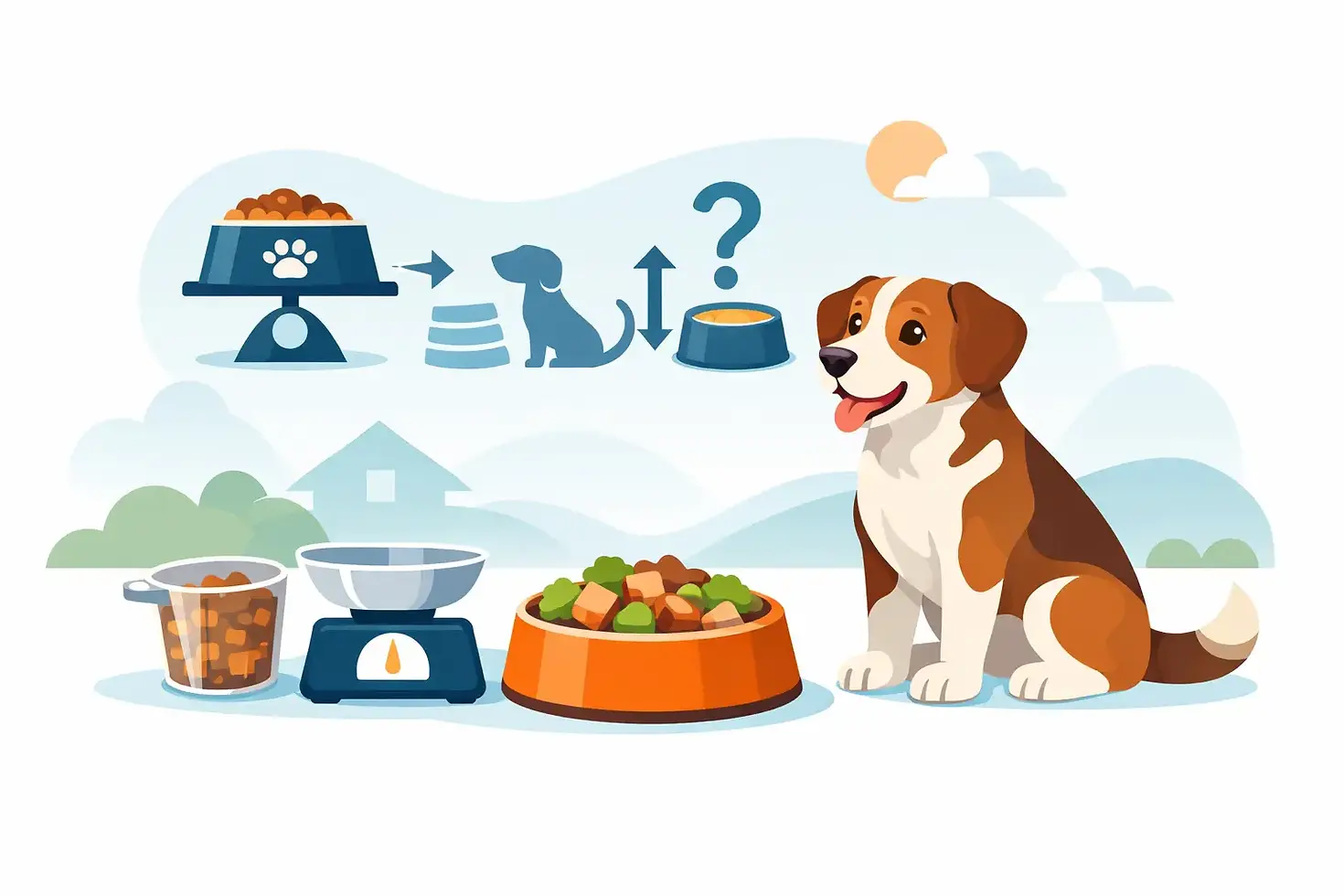
One of the fastest ways to second-guess yourself as a dog parent is portion size. Too little, and you worry your dog is going hungry. Too much, and suddenly you are dealing with weight gain, softer stools, or a dog who expects oversized meals forever. If you are wondering how much fresh dog food to feed, the honest answer is that there is no one-size-fits-all number - but there is a smart way to get it right.
Fresh food changes the conversation because it does not behave exactly like kibble. It often has different moisture levels, calorie density, and ingredient quality, which means a cup-for-cup comparison can be misleading. A dog who looked fine on one amount of dry food may need a very different portion of fresh food to maintain a healthy weight and energy level.
How much fresh dog food to feed depends on more than weight
Your dog’s body weight is a starting point, not the full answer. Two dogs at the same weight can need very different daily portions depending on age, activity, metabolism, body condition, and whether they are neutered or spayed.
An active dog who walks, runs, and plays daily will usually need more calories than a dog who spends most of the day indoors. A lean dog with a fast metabolism may also need a more generous portion than a dog who gains weight easily. That is why feeding guides should be treated as a baseline, then adjusted based on what you see in real life.
Body condition matters just as much as the number on the scale. If your dog has a defined waist when viewed from above and you can feel the ribs without pressing hard, you are generally in a good place. If the waist disappears or the ribs become difficult to feel, the portion may be too high. If the ribs become too prominent, it may be too low.
Start with calories, not guesswork
The most reliable way to portion fresh food is to feed based on calories per day. Fresh dog food recipes vary. One recipe may be richer because it contains more fat, while another may be leaner and lighter. That means one tray or pouch is not automatically equal to another.
As a general rule, many adult dogs need somewhere around 25 to 35 calories per pound of body weight per day, but that range can swing higher or lower depending on the dog. Smaller breeds often need more calories per pound than larger breeds. Very calm or overweight-prone dogs may need less. Highly active dogs may need more.
Here is what that can look like in practice. A 20-pound adult dog might need roughly 500 to 700 calories per day. A 50-pound adult dog might need around 1,100 to 1,500 calories. These are broad estimates, not prescriptions. The food’s calorie content and your dog’s individual needs still matter.
If your fresh food brand provides calories per pack or per gram, use that as your guide. This is much more accurate than eyeballing portions. It also gives you a cleaner way to adjust over time.
A practical way to portion fresh food
Start by checking your dog’s current weight and ideal weight. If your vet has said your dog should lose or gain weight, work from the ideal number rather than the current one. Then look at the calorie information for the fresh food you are feeding.
From there, divide the daily calories into meals. Most adult dogs do well with two meals a day. Smaller dogs or dogs with sensitive stomachs sometimes do better with smaller, more frequent meals. If your dog tends to gulp food or gets hungry between meals, splitting the portion can help.
For example, if your dog needs 600 calories a day and the food contains 300 calories per pack, that is two packs a day. If your dog eats twice daily, feed one pack in the morning and one in the evening. If you are feeding treats, account for those too. Treats should usually stay around 10 percent or less of daily calories, or they can quietly throw off your plan.
Transitioning affects how much fresh dog food to feed
When switching from kibble to fresh food, the goal is not just to hit the right calorie number. You also want your dog’s digestive system to adjust comfortably. A gradual transition over about 7 to 10 days is often the smoothest route.
Start with a small amount of fresh food mixed into the current diet, then increase the fresh portion every few days. During that period, stool quality can tell you a lot. Slight changes can be normal, but persistent loose stools, gas, or discomfort suggest the transition is moving too fast or the portion needs adjusting.
This is one reason owners sometimes think fresh food is not working, when the real issue is simply feeding too much too soon. Richer, more digestible food can be very satisfying, but that does not mean more is better.
Signs you are feeding too much or too little
Your dog gives feedback every day, and not just through the food bowl. Weight change is the clearest long-term signal, but energy, stool quality, and appetite also matter.
If you are feeding too much, you may notice gradual weight gain, less waist definition, frequent begging despite large meals, or softer stools from overfeeding. Some dogs become less enthusiastic about meals when portions are consistently too generous.
If you are feeding too little, you might see weight loss, a more pronounced ribcage, low energy, intense hunger, or restlessness around mealtimes. In active dogs, underfeeding can show up as slower recovery after exercise or a duller coat over time.
The best approach is to monitor for two to four weeks, then make small changes. Increase or decrease daily intake by about 10 percent, then reassess. Big jumps tend to create confusion.
Life stage and lifestyle change the answer
Even when feeding adult maintenance food, your dog’s needs are not fixed forever. Activity can change with the seasons. A dog who gets long walks every weekend may need a little more than one spending a rainy month indoors. Dogs recovering from illness or surgery may need a different approach, and senior dogs often need fewer calories if their activity drops.
Neutering and spaying can also affect calorie needs. Many dogs become slightly more efficient at holding onto weight afterward, which means the same portion that once worked can become too much.
If your dog attends daycare, hikes often, or joins you on runs, expect some variation. Feeding is not a math problem you solve once. It is an ongoing adjustment based on your dog’s real condition.
Fresh food portions should feel simple, not stressful
Many owners come to fresh feeding because they want better ingredients and fewer compromises, not another complicated routine. That is why a feeding calculator or vet-informed guideline can be so helpful. It gives you a strong starting point and removes much of the daily guesswork.
At The Farmer’s Best Friend, fresh meals are vet-formulated for adult maintenance and designed to make feeding feel more straightforward for busy dog owners. That matters because convenience only works if it still supports your dog’s health.
Still, even the best calculator is a starting tool. Your dog is the final measure. Watch body condition, keep an eye on energy and stool quality, and adjust with intention rather than emotion. Feeding a little extra out of love is understandable, but the healthiest portion is the one that keeps your dog lean, satisfied, and thriving.
When to ask your vet for help
Some dogs need more individualized guidance. If your dog has pancreatitis, kidney disease, food sensitivities, chronic digestive issues, or major weight concerns, portion size should not be estimated casually. The same goes for dogs on multiple treats, toppers, or mixed feeding plans.
A vet can help calculate calorie needs and make sure the full diet still stays balanced. This is especially useful if your dog seems hungry all the time, gains weight on modest portions, or loses weight despite eating well. Those situations can point to a medical issue, not just a feeding error.
Fresh food should make you feel more confident, not more anxious. Start with your dog’s weight, use the calorie information on the food, split it into consistent meals, and adjust slowly based on body condition. If you stay observant and make small, thoughtful changes, you will usually find the right amount faster than you think. Your dog does not need a perfect number on day one - just a caring routine that gets better with attention.


Comments