

Complete Guide to Fresh Dog Meals for Adult Dogs
- The Farmer's Best Friend
- 24 hours ago
- 5 min read
A fresh meal can look reassuringly simple: real meat, recognizable vegetables, and a meal your dog is excited to eat. But a complete guide to fresh dog meals starts with a bigger question than whether the ingredients look good. Is the food nutritionally complete for your dog, practical to feed every day, and prepared safely from delivery to bowl?
For busy dog parents, fresh food can make everyday feeding feel more intentional without turning weeknights into meal-prep sessions. The right choice combines real ingredients with veterinary formulation, clear feeding guidance, and the convenience to stay consistent.
What makes a fresh dog meal different?
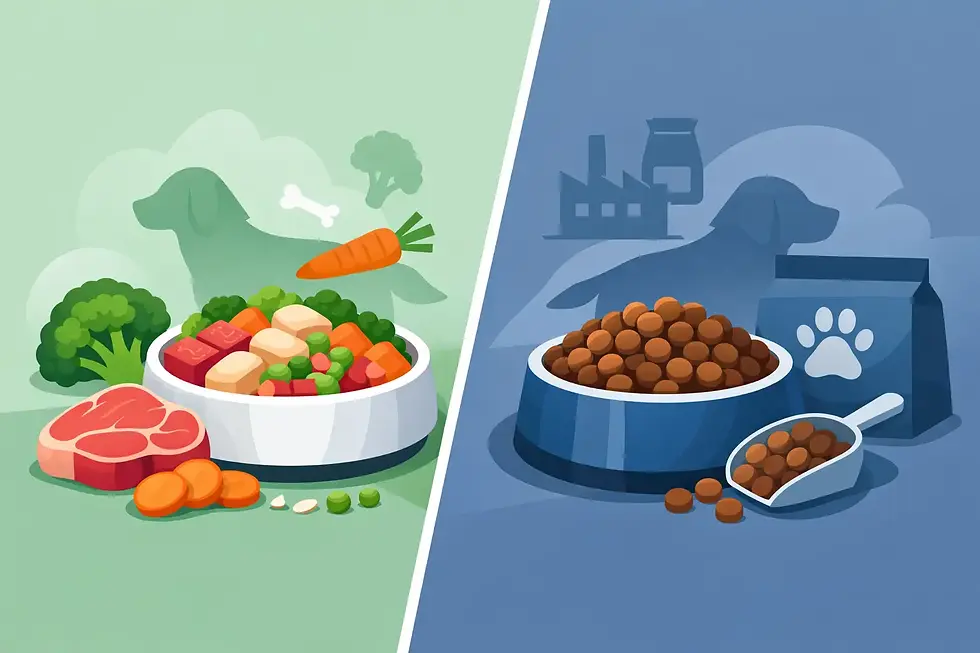
Fresh dog meals are typically made with whole or minimally processed ingredients, then gently cooked and chilled or frozen to maintain quality. They are different from traditional dry food in texture, moisture content, and often the visibility of the ingredients in the bowl.
That does not mean every fresh recipe is automatically better, or that every kibble is poor quality. The difference comes down to the formula, the ingredients, and whether the food meets your dog's nutritional needs. A homemade-looking meal made with chicken and vegetables may be tasty, but it can still fall short on essential nutrients if it is not properly formulated.
Gently cooked fresh meals can be a practical middle ground for owners who want a fresh-food option but are not comfortable handling raw food. Cooking helps reduce the food-safety risks associated with raw animal ingredients while still offering a soft, appetizing meal.
Complete guide to fresh dog meals: start with nutrition
The word "complete" matters. If fresh food will be your dog's main diet, it should be formulated for complete and balanced nutrition for the appropriate life stage. For most adult dogs, look for a statement showing that the food meets AAFCO nutritional standards for adult maintenance.
This indicates that the recipe is designed to provide the nutrients an average healthy adult dog needs when fed as directed. Those nutrients include more than protein. Dogs also need the right balance of fats, vitamins, minerals, and essential amino acids. Calcium and phosphorus, for example, need to be present in appropriate proportions. Adding a handful of vegetables to meat does not guarantee that balance.
A veterinarian or qualified veterinary nutrition professional should have a meaningful role in the recipe's development. At The Farmer's Best Friend, meals are vet-formulated by Dr. Edgar Tan and designed for adult maintenance, helping owners choose fresh food with nutritional credibility rather than relying on guesswork.
Fresh meals labeled as toppers or supplemental foods can still have a place in your dog's routine. They may add variety and encourage a picky eater, but they should not replace a complete daily diet unless your veterinarian recommends a specific approach.
Read beyond the front of the package
Ingredient transparency is valuable, but an ingredient list alone cannot tell you whether a meal is balanced. It can, however, help you understand what your dog is eating and identify ingredients they may not tolerate well.
Look for named animal proteins, clearly identified carbohydrate sources, and recognizable fruits or vegetables where appropriate. Many owners also prefer recipes without unnecessary fillers, artificial colors, or preservatives. These preferences are reasonable, but they work best alongside evidence that the meal is nutritionally complete.
If your dog has a known food sensitivity, do not assume that a grain-free, chicken-free, or limited-ingredient recipe is the answer. Food sensitivities can be complicated, and a veterinarian can help determine whether a proper elimination diet or a specific therapeutic food is needed.
How much fresh food should your dog eat?
Fresh food has more moisture than dry kibble, so a scoop-for-scoop comparison is not useful. Your dog may need a larger-looking portion by weight while consuming a suitable number of calories. Feeding recommendations are a helpful starting point, not a permanent rule.
Your dog's ideal daily amount depends on body weight, age, activity level, body condition, neuter status, and individual metabolism. A highly active dog may need more calories than a similarly sized dog who spends most of the day resting indoors. Treats, dental chews, and table scraps count too.
Start with the feeding guide provided by the food company, divide the daily portion into the number of meals your dog eats, and monitor changes over the next few weeks. You should be able to feel your dog's ribs with gentle pressure without seeing them sharply. Viewed from above, most dogs should have a noticeable waist.
If your dog gains or loses weight unexpectedly, adjust portions gradually and speak with your veterinarian. Puppies, pregnant or nursing dogs, and dogs with kidney disease, pancreatitis, allergies, or other medical needs require more individualized guidance. A food formulated for adult maintenance may not be suitable for those life stages or conditions.
Switch gradually to protect your dog's stomach
Even a high-quality meal can cause digestive upset if the transition happens too quickly. Your dog's digestive system needs time to adapt to a new texture, moisture level, protein source, and fat level.
For a typical healthy adult dog, transition over about seven days. Serve roughly 25% fresh food with 75% of the current food for the first two days. Move to a half-and-half mix for days three and four, then about 75% fresh food for days five and six. By day seven, most dogs can eat the new meal fully.
Some sensitive dogs do better with a slower transition of 10 to 14 days. Watch for loose stool, vomiting, unusual gas, reduced appetite, or changes in energy. Mild stool changes can happen during a diet switch, but persistent symptoms deserve a call to your veterinarian. Slow down the transition rather than pushing through discomfort.
Fresh food safety at home
Convenience should never come at the expense of food safety. Fresh meals need cold storage, sensible portioning, and a clean bowl. Once a meal arrives, follow the storage instructions on its packaging promptly.
Keep unopened portions refrigerated or frozen as directed. Thaw frozen meals in the refrigerator, not on the kitchen counter. Serve the amount your dog will eat, and refrigerate leftovers promptly rather than leaving food out for hours. Wash bowls and utensils after each meal, especially in warm weather.
A subscription delivery can make this easier because you can plan around a predictable supply rather than making last-minute food runs. Before choosing a delivery service, check its delivery schedule, packaging approach, storage instructions, and portion options. A fresh-food routine only works when it fits real life.
Is fresh food worth it for every dog?
Fresh food can be a strong choice for owners who value ingredient visibility, a softer texture, and a professionally formulated daily meal. It may be especially appealing for dogs that enjoy moist food or for households that want an alternative to heavily processed dry diets.
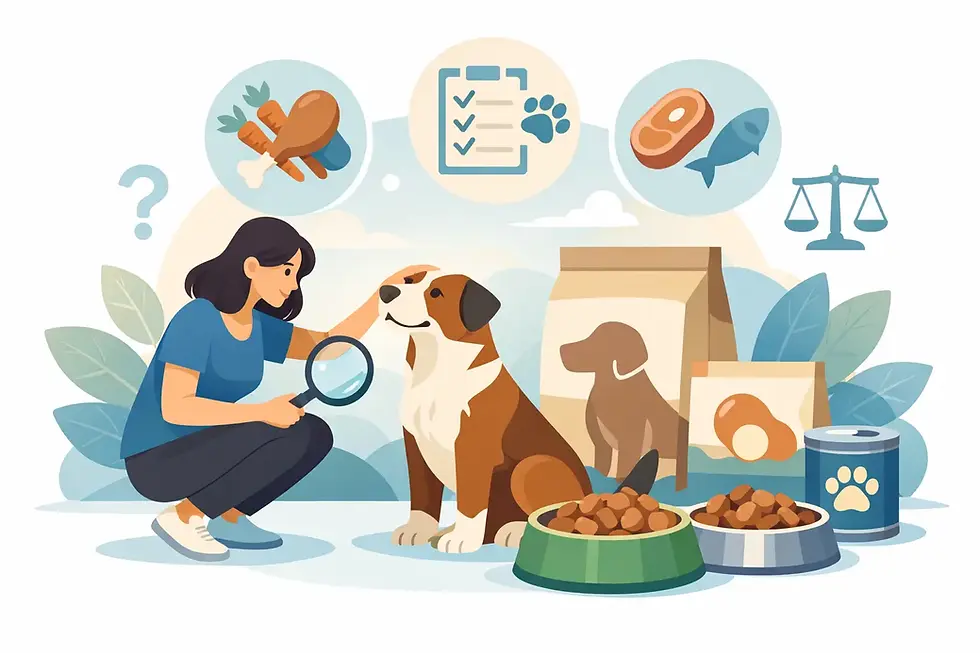
Still, the best food is not defined by trend or price alone. A diet should be complete, safe, appropriate for your dog's life stage, and realistic for your household to maintain. A carefully formulated dry food may be the right answer for one family, while a gently cooked fresh meal suits another.
The goal is not to chase a perfect bowl. It is to provide dependable nutrition, feed the right amount, and pay attention to how your dog looks, feels, and behaves over time. When feeding feels simple enough to do well every day, it becomes one more quiet way to care for your best friend.

Comments