

Raw Versus Cooked Dog Diets for Healthier Choices
A bowl of fresh food can feel like a loving upgrade, but the question behind it deserves more than a trend-based answer. When comparing raw versus cooked dog diets, the best choice is not automatically the one with the most dramatic claims. It is the one that gives your dog complete nutrition, fits their health needs, and is safe and realistic for your household to feed consistently.
For many pet parents, a gently cooked fresh diet offers a reassuring middle ground: real, recognizable ingredients prepared for safety, without asking you to spend every evening planning, weighing, and sanitizing homemade meals.
Raw Versus Cooked Dog Diets: The Core Difference
Raw diets are typically made with uncooked meat, organs, bone, and sometimes produce or supplements. They may be purchased commercially, prepared at home, freeze-dried, or frozen. Supporters often choose raw food because it feels closer to a dog's ancestral diet and because ingredients are minimally processed.
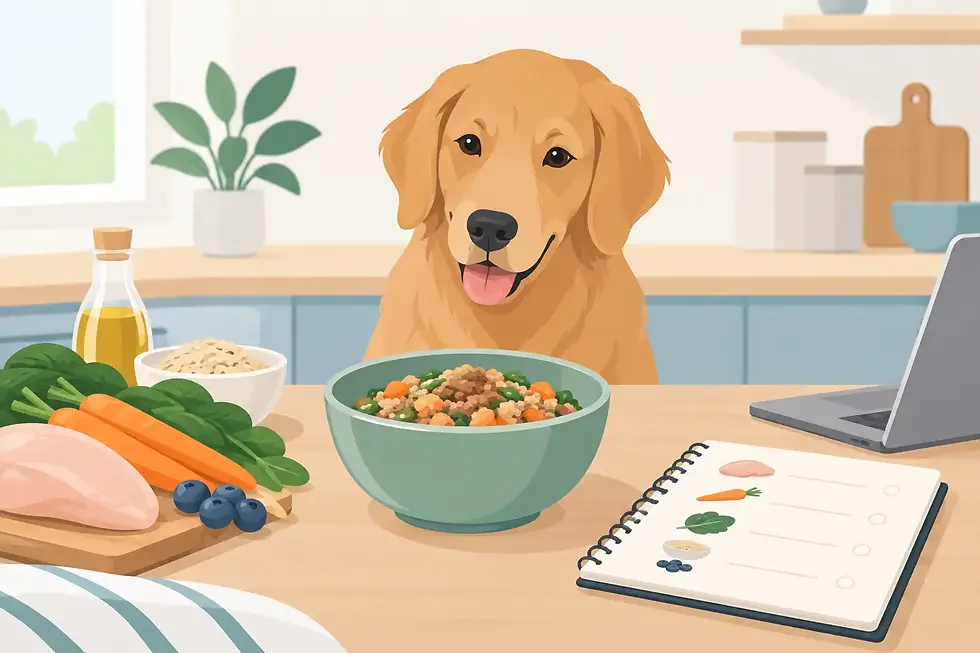
Cooked fresh diets use many of the same ingredient categories, such as animal protein, vegetables, and nutrient-rich oils, but the food is heated before it reaches the bowl. Gentle cooking is designed to reduce harmful bacteria while preserving the value of carefully selected ingredients. A properly formulated cooked recipe can still provide the protein, fats, vitamins, and minerals dogs need to thrive.
The real distinction is not simply raw versus cooked. It is whether the recipe is complete and balanced, made with appropriate quality controls, and suitable for your individual dog.
Nutrition depends on formulation, not food temperature
Raw food is sometimes presented as naturally complete because it contains meat and organs. Yet a meal can look wholesome and still fall short nutritionally. Dogs need specific amounts of essential nutrients, including calcium, phosphorus, zinc, iodine, vitamin D, and certain fatty acids. Getting those levels right over time takes more than adding variety to a bowl.
This matters especially for puppies, senior dogs, pregnant dogs, and dogs with medical conditions. Excesses can be as problematic as deficiencies. Too much liver, for example, may provide more vitamin A than a dog needs. An improperly balanced homemade diet may also contain too little calcium or an unsuitable calcium-to-phosphorus ratio.
Cooking can reduce some heat-sensitive nutrients, but that does not make cooked diets nutritionally inferior. A vet-formulated cooked recipe accounts for the cooking process and includes nutrients in appropriate amounts. Look for a statement that the food is complete and balanced for your dog's life stage, based on AAFCO nutritional standards.
Safety Is Often the Deciding Factor
Dogs have stomachs that are more acidic than ours, but they are not immune to foodborne illness. Raw animal ingredients can carry bacteria such as Salmonella, E. coli, and Listeria. A dog may become sick after eating contaminated food, or they may appear well while shedding bacteria in their saliva or stool.
That second risk can matter in a busy home. Young children, older adults, pregnant people, and anyone with a weakened immune system can be more vulnerable to infection. Raw feeding also means careful cleaning of bowls, food-prep surfaces, hands, and anything the food touches. Cross-contamination is easy to miss during a rushed morning.
Commercial raw brands may use sourcing protocols, pathogen testing, freezing, or high-pressure processing to manage risk. Those measures can reduce risk, but they do not turn raw food into a zero-risk option. Homemade raw diets require even more attention because quality control rests entirely with the person preparing the meals.
Gently cooked food gives many owners a simpler safety routine. Cooking significantly reduces the bacterial burden associated with raw ingredients, while fresh preparation and proper refrigeration help maintain quality. It is a practical advantage for households that want fresh meals without treating every feeding like raw-meat prep.
Bones need special care
Raw diets may include edible bone as a source of calcium. Bone can be useful in a professionally designed recipe, but it is not risk-free. Pieces that are too large, too hard, or poorly ground can contribute to choking, dental fractures, constipation, or intestinal obstruction.
Cooked bones should never be fed. They can splinter and cause serious injury. If you choose a cooked diet, calcium should come from a safe, accurately measured source included in the formulation rather than leftover bones from your own meal.
Convenience Shapes What You Can Feed Well
The most thoughtfully chosen diet only works if you can feed it reliably. Raw diets usually require freezer space, measured thawing, controlled handling, and close attention to leftovers. For some families, that routine is manageable. For others, travel, childcare, long workdays, and limited fridge space make it difficult to sustain.
Cooking for your dog at home has its own demands. You need a recipe designed by a qualified veterinary nutrition professional, a precise supplement plan, consistent ingredients, and time to prepare batches safely. Chicken, rice, and vegetables may be gentle on the stomach for a short period, but they are not automatically a complete long-term diet.
Prepared fresh cooked meals make the day-to-day decision easier. Portion the food, follow the feeding guidance, refrigerate or freeze as directed, and serve. That consistency can be especially valuable when more than one person in the household feeds the dog.
Convenience is not a lesser concern. It is part of responsible nutrition. A safe, balanced meal your dog receives every day is more useful than an ambitious plan that breaks down after two busy weeks.
Which Dogs May Need Extra Guidance?
A healthy adult dog may do well on either a carefully produced raw diet or a complete and balanced cooked diet. But some dogs should not be switched based on online advice alone. Speak with your veterinarian before changing the diet of a puppy, a dog with kidney or liver disease, a dog with pancreatitis, food allergies, a sensitive digestive system, or a history of urinary stones.
Dogs on therapeutic diets need particular care. A fresh food trend should never replace a medical nutrition plan without veterinary direction. The same is true for dogs that are underweight, overweight, or taking medications affected by dietary changes.
If your dog has a sensitive stomach, change foods gradually. Start by mixing a small amount of the new food into their current diet, then increase it over about seven to 10 days as tolerated. Watch for changes in stool quality, appetite, energy, skin, and itching. A little adjustment can be normal, but persistent vomiting, diarrhea, lethargy, or refusal to eat calls for a veterinarian.
How to Choose a Fresh Dog Food With Confidence
Instead of choosing based on a single ingredient or an appealing label, ask a few practical questions. Is the food complete and balanced for your dog's life stage? Is it formulated with veterinary expertise? Are the ingredients clearly identified? Does the company provide sensible storage and feeding instructions? Can you get it consistently?
Be cautious with phrases such as “human-grade,” “natural,” or “ancestral.” They may describe part of a product's story, but they do not confirm nutritional adequacy. The most meaningful trust markers are transparent formulation, quality manufacturing, and a feeding plan that matches your dog's age, size, activity level, and health profile.
For adult dogs, a gently cooked, vet-formulated food such as The Farmer's Best Friend can offer the fresh ingredients pet parents want with the everyday assurance of balanced nutrition and simpler handling. It is made for people who want to care deeply for their dogs without turning feeding time into another complicated task.
The Better Choice Is the One You Can Trust
Raw diets can appeal to owners seeking minimal processing, but they require informed handling and careful attention to nutritional balance. Cooked fresh diets can offer a practical combination of real ingredients, reduced food-safety concerns, and reliable formulation. Neither option should be judged by marketing alone.
Your dog does not need a perfect-looking bowl. They need food that supports their health day after day, prepared with care and chosen with clear eyes. When you can confidently serve a complete meal, keep it safe, and maintain the routine through ordinary life, you are already doing something very good for your best friend.


Comments