
Is Human Grade Fresh Dog Food Worth It?
- The Farmer's Best Friend
- Jun 26
- 6 min read
If you have ever flipped over a bag of dog food and struggled to recognize half the ingredient list, you are not alone. Many pet parents start looking into human grade fresh dog food for one simple reason - they want to feel better about what goes into their dog's bowl without spending hours cooking at home.
That interest makes sense. Fresh food feels closer to what we would choose for our own family: real meat, visible vegetables, and fewer questions about fillers or preservatives. But as with anything in pet nutrition, the label alone does not tell the whole story. What matters is not just that a food sounds fresh or premium, but that it is complete, balanced, and practical for everyday feeding.
What human grade fresh dog food actually means
The phrase human grade fresh dog food gets used often, but it helps to slow down and separate the two ideas.
Human grade refers to ingredients and handling standards that are held to a higher benchmark than standard feed-grade ingredients. Fresh usually means the food is made with minimally processed ingredients and gently cooked rather than heavily rendered or extruded into dry kibble. Together, those terms suggest a product made from recognizable ingredients and prepared in a way that preserves quality.
Still, there is an important distinction here. A bowl that looks appetizing is not automatically nutritionally complete. Dogs need the right balance of protein, fat, vitamins, minerals, and calories for daily maintenance. That is why formulation matters just as much as ingredient quality.
Why more dog owners are making the switch
For busy dog owners, the appeal is immediate. You get a meal that feels closer to home-cooked food, but without grocery shopping, chopping, cooking, portioning, and guessing whether it meets your dog's needs.
That convenience matters more than people sometimes admit. Good feeding habits are easier to maintain when food arrives ready to serve and portion guidance is clear. Consistency is one of the biggest advantages of a fresh food routine, especially for households balancing work, commuting, and everything else that fills a week.
There is also the trust factor. Many owners feel more confident when they can recognize ingredients like chicken, beef, carrots, or pumpkin instead of seeing a long panel of vague additives. That does not mean every additive is bad, but transparency helps people feel more connected to what they are feeding.
The real benefits of human grade fresh dog food
The biggest benefit is ingredient clarity. When a food is made with real, recognizable ingredients, it is easier to understand what your dog is eating. That can be reassuring if you are trying to avoid unnecessary fillers, artificial preservatives, or heavily processed meals.
Palatability is another reason fresh food earns loyal fans. Many dogs simply get more excited about gently cooked meals than dry kibble. This can be especially helpful for picky eaters or older dogs whose appetite has become less predictable.
Digestibility may improve for some dogs as well. Fresh diets with quality proteins and thoughtfully selected ingredients can be easier on the stomach for certain pets. Some owners notice better stool quality, steadier energy, or a shinier coat after switching. Those results are not guaranteed for every dog, but they are common enough to explain why fresh food has gained traction.
Then there is peace of mind. A vet-formulated recipe that meets AAFCO standards offers something many pet parents are really looking for: confidence. Not just fresh ingredients, but nutrition that is designed to support adult maintenance in a reliable way.
Where the trade-offs come in
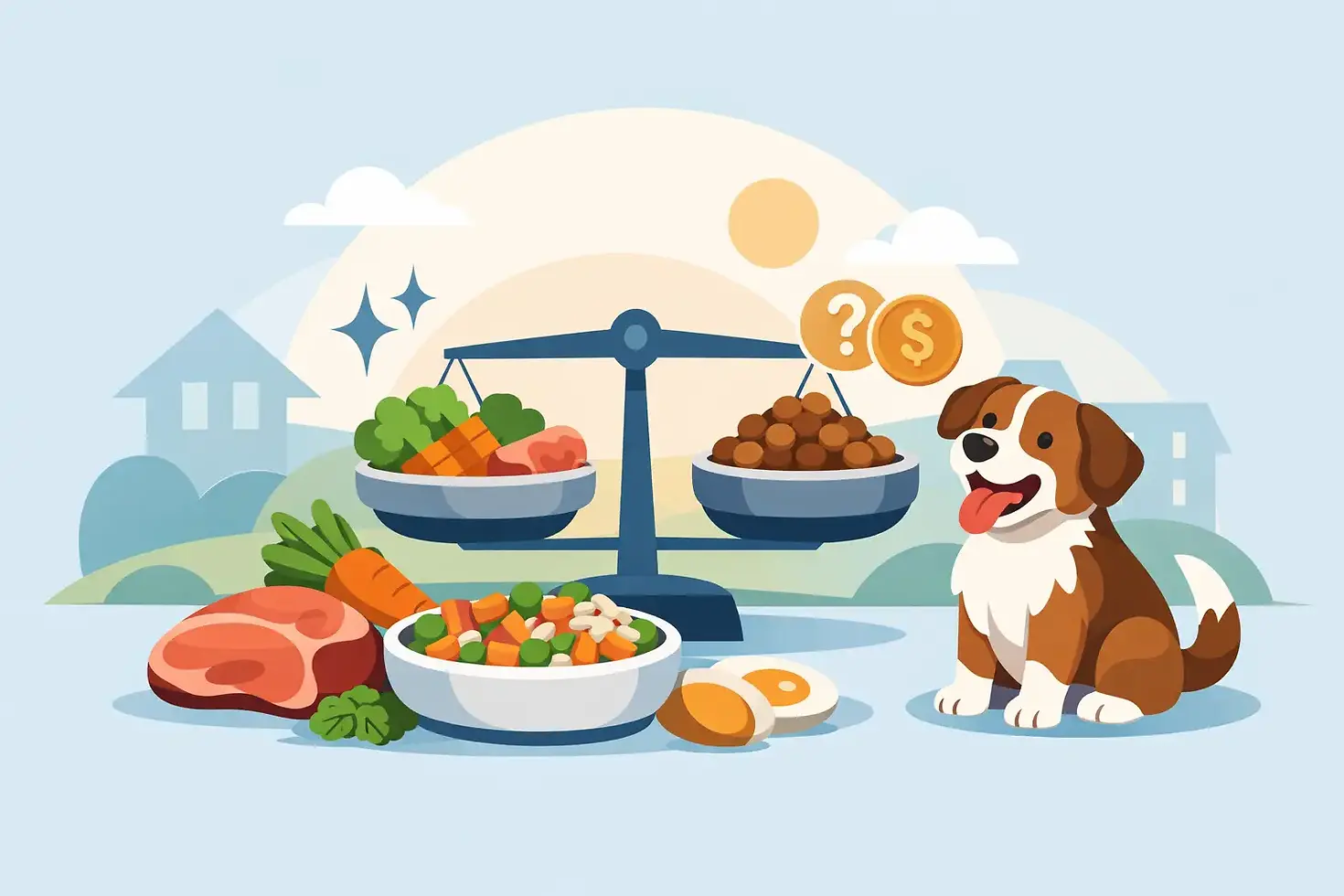
Human grade fresh dog food is not automatically the right fit for every dog or every budget. The most obvious trade-off is cost. Fresh food generally costs more than kibble because the ingredients, preparation, storage, and delivery are different.
For some households, that higher price is worth it because it replaces the stress of meal prep and provides a feeding routine they can stick with. For others, it may work better as a partial topper or mixed feeding option rather than a full replacement.
Storage is another practical consideration. Fresh food needs refrigeration or freezing, and that requires a bit of planning. If your schedule is hectic or your fridge is already packed, convenience can still depend on how the service is set up and how easy portioning feels day to day.
The last trade-off is marketing noise. Not every fresh food brand is equally rigorous. Some rely heavily on feel-good language, but offer less clarity around who formulated the recipe, whether it is complete and balanced, or how feeding amounts are determined. Freshness is a good starting point, not the finish line.
How to evaluate human grade fresh dog food
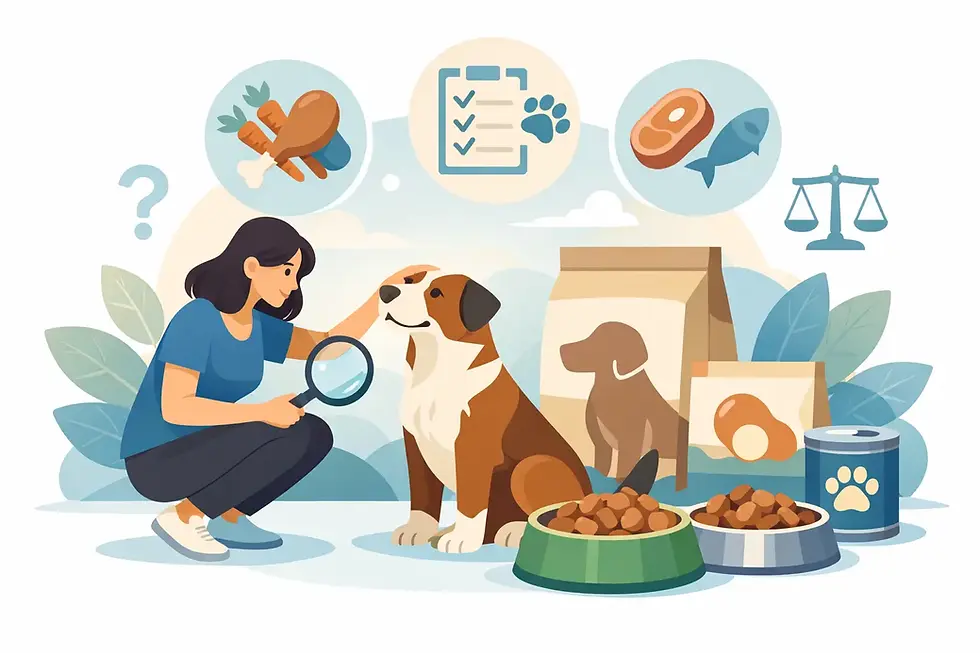
If you are considering a switch, look past the front of the package and focus on the factors that actually matter.
First, check whether the food is complete and balanced for your dog's life stage. For adult dogs, that means the recipe should be formulated to support adult maintenance rather than functioning as an occasional topper or supplemental food.
Next, look at who formulated it. Veterinary input matters. A recipe built with professional nutritional oversight gives you more confidence than one designed mainly around marketing claims.
Ingredient transparency is another key point. You should be able to understand what is in the food and why it is there. Real proteins, functional vegetables, and clearly stated ingredients are a better sign than vague descriptions.
Finally, think about whether the feeding system fits your life. Delivery, portion guidance, and storage instructions should make feeding easier, not more complicated. Fresh food only works well when it becomes a sustainable routine.
Fresh food versus home cooking
Many loving dog owners consider cooking from scratch, and the intention comes from a good place. But homemade feeding is harder to get right than it looks.
The challenge is not preparing chicken and vegetables. The challenge is building a complete daily diet that consistently meets nutritional needs over time. Without expert formulation, homemade meals can fall short in important nutrients even when they look wholesome.
That is where professionally prepared fresh food has a clear advantage. It offers the appeal of real food with less nutritional guesswork. For many people, that balance of quality and convenience is exactly the point.
Fresh food versus kibble
Kibble remains a practical option for many dogs, and it would be unfair to suggest that all kibble is poor quality. Some dry foods are well formulated and work perfectly well for healthy adult dogs.
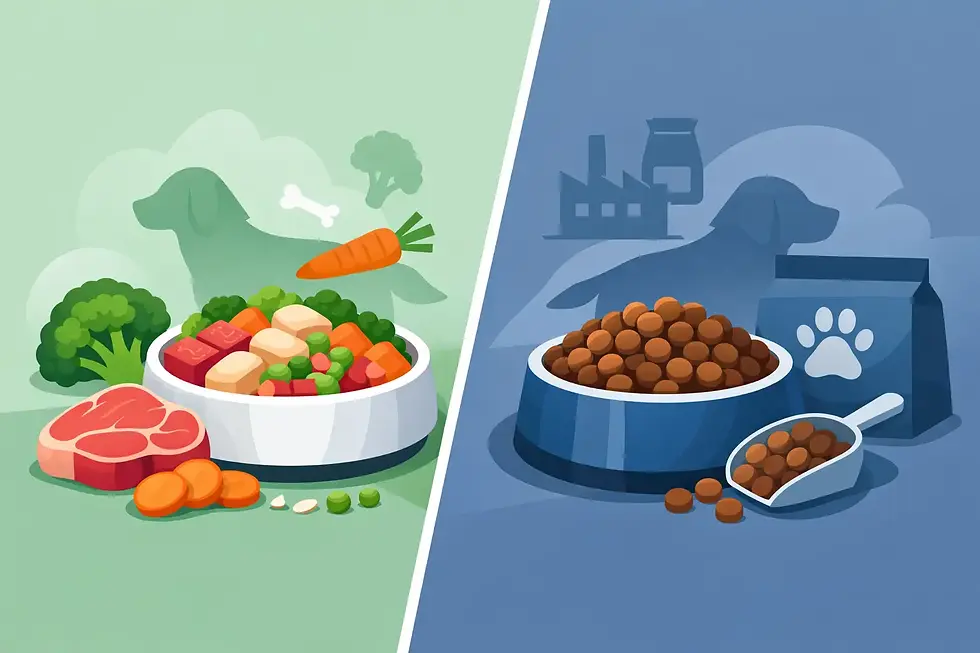
The difference is usually about processing, ingredient experience, and owner preference. Human grade fresh dog food tends to feel more transparent and less industrial, which matters to pet parents who want cleaner labels and meals that resemble actual food.
Whether that difference justifies the switch depends on your goals. If you want the lowest cost per meal, kibble often wins. If you want a fresher feeding experience, simpler ingredient recognition, and the convenience of ready-to-serve meals, fresh food has a strong case.
Who benefits most from human grade fresh dog food
This option tends to make the most sense for owners who value ingredient quality but do not have the time to cook. It also fits well for dogs who are selective with meals, owners who want to move away from fillers and preservatives, and households that appreciate doorstep delivery and predictable portioning.
It may be especially appealing if you want your dog's food to feel more intentional. Not homemade in the literal sense, but chosen with the same care you would give any daily health decision.
For Singapore pet parents managing long workdays, that ease can make a real difference. A service like The Farmer's Best Friend is built around that reality, with vet-formulated fresh meals, straightforward feeding support, and delivery that helps turn good intentions into a routine you can actually maintain.
A smart way to make the switch
If your dog is used to dry food, transition gradually over several days. Start by mixing a small amount of fresh food with the current diet and increase the portion over time. That gives your dog's digestive system time to adjust and helps you observe appetite, stool quality, and overall response.
Pay attention to portion size. Fresh food often looks different from kibble in volume and texture, so feeding by eye can be misleading. Following a feeding guide or calculator is a better way to make sure your dog gets the right amount.
And remember that even a premium food should suit the individual dog in front of you. Age, activity level, body condition, sensitivities, and health history all shape what the best choice looks like.
Human grade fresh dog food is worth serious consideration not because it sounds trendy, but because it can offer something many owners genuinely need: real ingredients, expert formulation, and a feeding routine that feels easier to trust every single day.

Comments