

How to Avoid Feeding Mistakes With Your Dog
That hopeful look at dinner time can make almost any dog parent second-guess the scoop. Are they still hungry? Did they eat too quickly? Is one extra treat really a problem? Learning how to avoid feeding mistakes starts with looking beyond the bowl. A dog’s daily diet, portions, treats, routine, and health needs all work together.
The good news is that feeding well does not need to be complicated. With a complete diet, a consistent plan, and a few thoughtful checks along the way, you can support your dog’s health without turning every meal into a source of worry.
How to Avoid Feeding Mistakes at Every Meal
Many feeding problems begin with good intentions. We give a little more because our dog seems hungry, share table scraps because they are part of the family, or switch foods quickly in the hope of finding something they enjoy. Small choices can add up, particularly for adult dogs whose energy needs are lower than they were as puppies.
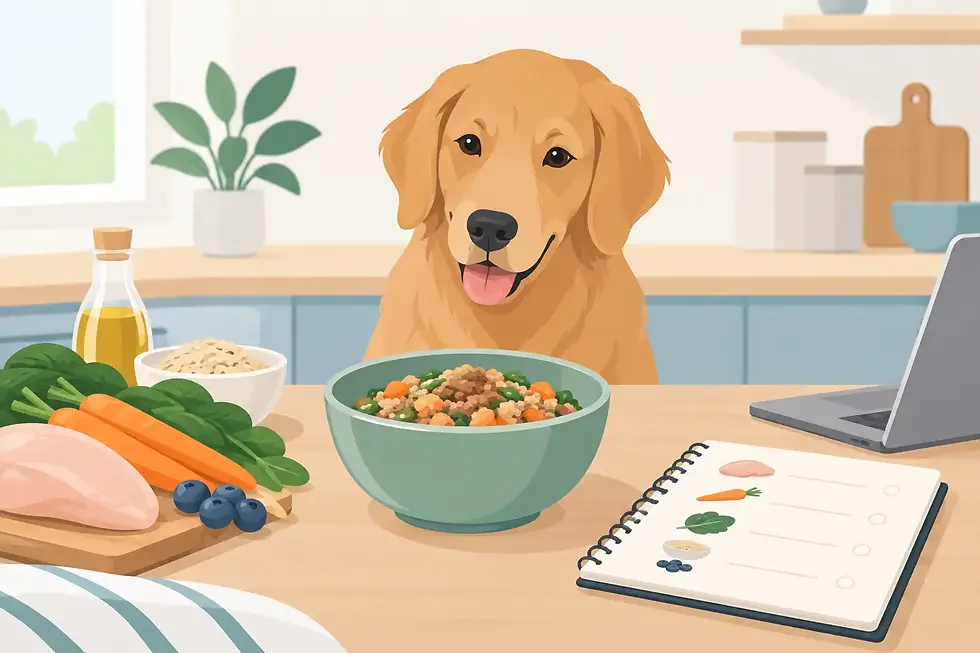
Start with the food itself. Your dog’s main meals should be complete and balanced for their life stage, not simply made from ingredients that sound healthy. Chicken, vegetables, and rice may be wholesome foods, but a homemade meal can still fall short on essential nutrients when it is not professionally formulated. Look for a diet that meets AAFCO nutritional standards for adult maintenance and offers clear information about its ingredients and nutritional purpose.
A fresh, gently cooked diet can be a practical choice for owners who want real ingredients without taking on the work and nutritional risk of preparing every meal themselves. What matters most is that the recipe is complete, balanced, and appropriate for your dog.
Measure portions instead of guessing
Portion size is one of the most common places feeding goes off track. The amount printed on a package is a starting point, not a universal rule. A 25-pound dog who spends most of the day indoors may need a very different amount of food than another dog of the same weight who takes long walks, plays intensely, or has a naturally lean build.
Use a measuring cup or kitchen scale and feed the daily amount consistently. If your dog eats twice a day, divide the full daily portion between those meals rather than filling the bowl by eye each time. A feeding calculator can provide a useful baseline, especially when it considers weight, age, activity level, and body condition.
Then watch the dog in front of you. You should be able to feel their ribs with gentle pressure, see a waist when viewing them from above, and notice a tucked abdomen from the side. If they are steadily gaining or losing weight, adjust portions gradually and speak with your veterinarian if you are unsure why the change is happening.
Count treats, chews, and extras
Treats are part of a happy life for many dogs. They can make training more rewarding, help with medication, and create lovely daily rituals. The mistake is forgetting that treats are food too.
As a general rule, treats and extras should make up no more than about 10 percent of your dog’s daily calories. That includes dental chews, chew sticks, bits of cheese, peanut butter in a toy, and the “just one bite” offered while you cook. For a small dog, a few calorie-dense extras can make a meaningful difference.
If your dog needs lots of rewards for training, use tiny pieces. You can also reserve a portion of their regular meal for practice sessions, particularly if your dog is motivated by food. This keeps rewards predictable while helping you stay within their daily feeding plan.
Build a Routine Your Dog Can Rely On
Free-feeding, or leaving food available all day, can work for some dogs. But for many households, scheduled meals are easier to manage. A routine makes it simpler to notice a drop in appetite, prevents one dog from eating another dog’s food, and gives you a clearer picture of how much your dog is actually consuming.
Most adult dogs do well with two meals a day, ideally served at similar times. The best schedule depends on your workday and your dog’s needs. Some dogs are comfortable with breakfast and dinner, while others benefit from a smaller midday meal. Consistency matters more than following a perfect clock.
Give your dog a calm place to eat and allow time for digestion before strenuous activity. If your dog gulps meals, a slow feeder or puzzle feeder may help them eat at a safer pace. These tools are especially useful for dogs who finish dinner in seconds and immediately search for more.
Fresh water should always be available. A sudden increase or decrease in drinking can be worth discussing with a veterinarian, especially if it appears alongside appetite changes, vomiting, diarrhea, or changes in energy.
Avoid Sudden Food Changes
Dogs do not always transition smoothly from one diet to another. A quick switch can lead to loose stool, gas, vomiting, or reluctance to eat, even when the new food is a good fit. Their digestive system often needs time to adapt.
When changing foods, introduce the new diet gradually over about seven to 10 days. Begin by mixing a small amount of the new food with the current food, then increase the new food little by little while reducing the old one. Dogs with sensitive stomachs may need a slower transition.
Pay attention to stool quality, appetite, and comfort during this period. If your dog has persistent digestive upset, stop increasing the new food and contact your veterinarian for advice. Do not assume every reaction is simply “picky eating.” Sometimes discomfort, dental pain, stress, or an underlying health concern is affecting their interest in food.
Do not use food to solve every behavior
Food is useful, but it is not the answer to every moment of boredom, excitement, or attention-seeking. Offering snacks whenever your dog barks, stares, or follows you into the kitchen can accidentally teach them that these behaviors earn food.
Try a walk, a sniffing game, a chew that fits within their calorie allowance, or a few minutes of calm attention instead. This is not about withholding affection. It is about giving your dog what they actually need in that moment, whether that is movement, enrichment, rest, or connection.
Know When Your Dog Needs Individual Advice
General feeding guidance is helpful, but some dogs need a more tailored plan. Puppies, pregnant or nursing dogs, senior dogs, and dogs with medical conditions have different nutritional needs. A dog with kidney disease, pancreatitis, food allergies, diabetes, or a history of urinary issues should not have their diet changed casually.
You should also contact your veterinarian if your dog refuses food for more than a day, vomits repeatedly, has ongoing diarrhea, loses weight without explanation, or seems painful while eating. For very young puppies, tiny dogs, or dogs with known health concerns, seeking advice sooner is the safer choice.
Be careful with human foods as well. Grapes, raisins, onions, garlic, chocolate, xylitol, alcohol, and cooked bones can be dangerous. Foods that are not toxic can still be too rich or fatty for some dogs. If you are ever uncertain whether an ingredient is safe, leave it out and ask your veterinary team.
Make Feeding Feel Simple Again
The goal is not to make your dog’s meals rigid or joyless. It is to make everyday choices more confident. Choose a complete, vet-formulated food, measure the daily portion, account for treats, transition diets patiently, and keep an eye on your dog’s body condition and behavior.
Your dog does not need a perfect feeding day every day. They need a caring, consistent plan that supports their health over time. A measured meal, a fresh bowl of water, and a little attention to the signals they give you can be one of the clearest ways to say, “I’m taking care of you.”


Comments