

Dog Food With No Preservatives Explained
When you turn over a bag or tray and scan the ingredient panel, “dog food with no preservatives” sounds like the simple answer. For many pet parents, it signals cleaner ingredients, fewer additives, and a meal that feels closer to real food. But that phrase can also raise fair questions. What counts as a preservative, how is the food kept safe, and is preservative-free always the better choice for your dog?
Those questions matter because not all dog foods are made the same way. A dry kibble sitting on a shelf for months has different storage needs than a fresh meal delivered chilled or frozen. If you want to feed more confidently, it helps to understand what “no preservatives” actually means in practice - and what to look for beyond the claim itself.
What dog food with no preservatives really means
In simple terms, preservatives are ingredients added to help slow spoilage, prevent fat oxidation, and extend shelf life. In pet food, that can include synthetic preservatives as well as some naturally derived ones. When a brand says its recipe contains no preservatives, it usually means those added preservation agents are not part of the formula.
That does not mean the food is unstable or unsafe. It means the product relies on other methods to stay fresh. Refrigeration, freezing, airtight packaging, small-batch production, and faster delivery timelines can all play a role. Fresh dog food, in particular, often avoids preservatives because it is handled more like perishable food and less like a shelf-stable pantry item.
This is where context matters. A preservative-free fresh meal and a preservative-free dry food are very different products. One depends on cold storage and careful handling. The other may use dehydration, low moisture, or specialized packaging to reduce spoilage risk. The label claim only tells part of the story.
Why many owners look for dog food with no preservatives
Most people are not reading labels for fun. They are doing it because they care deeply about what goes into their dog’s bowl.
For busy dog owners, especially those trying to feed better without cooking from scratch, dog food with no preservatives often feels like a more transparent option. It can suggest a shorter ingredient list, less processing, and a closer match to the kind of food they would choose for their own family. There is also peace of mind in seeing real ingredients instead of a long list of unfamiliar additives.
That said, the appeal is not only emotional. Preservative-free products are often part of a broader clean-label approach. Brands that avoid preservatives may also avoid fillers, artificial colors, and vague ingredient descriptions. When the recipe is built around recognizable proteins, vegetables, and balanced nutrients, the whole feeding routine can feel more trustworthy.
No preservatives does not mean no standards
A cleaner label should never come at the expense of complete nutrition. This is one of the most important trade-offs to understand.
Some homemade or boutique diets may avoid preservatives, but that alone does not make them complete and balanced. Adult dogs still need the right levels of protein, fats, vitamins, and minerals every day. If a food is not properly formulated, a short ingredient list can look appealing while still falling short nutritionally.
That is why formulation matters as much as ingredient philosophy. Look for food developed with veterinary or nutrition expertise and aligned with AAFCO standards for adult maintenance when appropriate. A recipe can be fresh, made with real ingredients, and free from preservatives while still meeting the nutritional needs of your dog. That combination is what responsible pet parents should be after.
How preservative-free dog food stays fresh
If you are used to kibble that can sit in a container for weeks, fresh food may require a mindset shift. Dog food with no preservatives stays fresh through handling, packaging, and storage rather than added shelf-life agents.
Fresh meals are typically gently cooked, portioned, and kept chilled or frozen. That process helps maintain food safety while protecting texture and flavor. Once opened, these meals usually need to be refrigerated and used within a shorter window. That may sound less convenient at first, but for many households it becomes easy once feeding is part of the daily routine.
The real advantage is that you are trading pantry shelf life for ingredient simplicity. For dog owners who want cleaner feeding and doorstep convenience, that is often a worthwhile exchange.
What to check on the label besides the claim
The words “no preservatives” can be useful, but they should not be your only filter. Start with the ingredient list. Named animal proteins, whole-food ingredients, and clear descriptions are better signs of quality than marketing language alone.
Then look at how the food is formulated. Is it complete and balanced for your dog’s life stage? Is there evidence of professional oversight, such as veterinary formulation? Does the brand explain storage requirements clearly? A trustworthy company will tell you not just what is left out, but how the food is made, handled, and fed.
It also helps to look at feeding practicality. A high-quality food only works if you can use it consistently. Portion guidance, feeding support, and reliable home delivery all make a difference, especially if you are juggling work, family, and daily pet care.
Is fresh dog food a better fit?
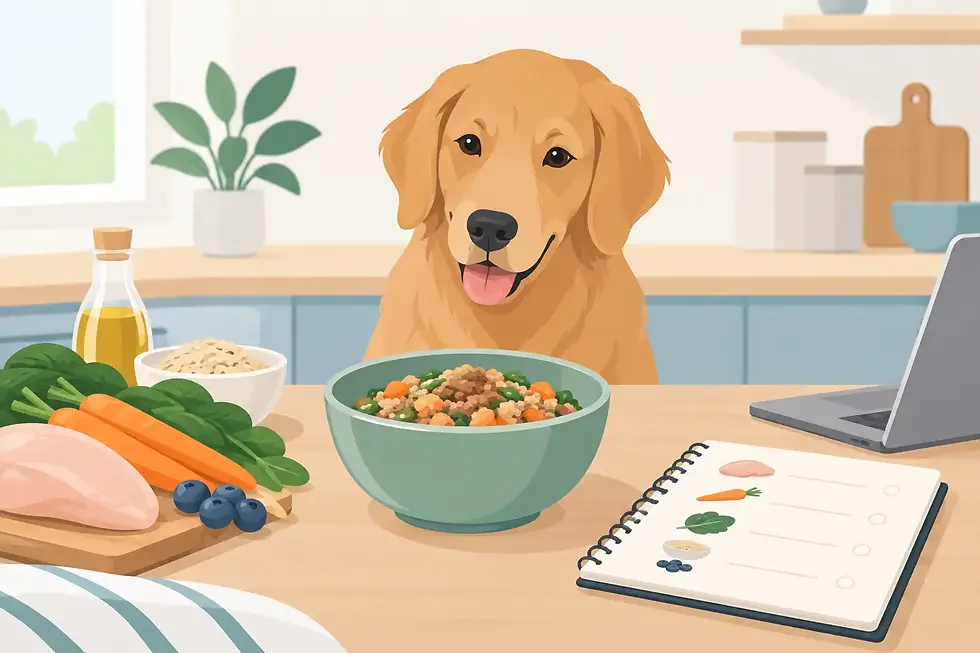
For many adult dogs, fresh food can be an excellent option when it is properly formulated. It offers a practical middle ground between home cooking and conventional processed food. You get the reassurance of real ingredients and clean-label thinking without having to source, cook, and balance every meal yourself.
This is especially relevant for owners who feel stuck between wanting better nutrition and needing convenience. A fresh, gently cooked recipe delivered to your doorstep can remove a lot of friction from feeding well. You are not scrambling to prep meals after work or second-guessing whether a generic formula matches your dog’s needs.
Of course, fresh food is not identical to every other format. It usually requires freezer or fridge space, and it may cost more than standard kibble. But many pet parents decide that the trade-off is worth it for ingredient transparency, simpler feeding, and the confidence of serving a meal that looks like food.
When “no preservatives” may not be enough
Some dogs need more than a clean label. If your dog has sensitivities, a history of digestive issues, weight concerns, or a medical condition, the best food choice depends on the full nutritional profile, not only whether preservatives are absent.
This is where expert guidance matters. A food can be free from preservatives and still be too rich, too low in calories, or poorly matched to your dog’s specific needs. Feeding amount matters too. Even a premium food can create problems if portions are off.
That is why helpful tools like feeding calculators and clear portion recommendations are so valuable. They turn a good product into a more complete feeding solution.
Choosing dog food with no preservatives with confidence
If you are comparing options, think beyond the headline claim. Ask how the food is preserved without preservatives, whether it is complete and balanced, and who formulated it. Consider your own routine too. The right food should support your dog’s health and fit your real life.
For many families, that points toward fresh, vet-formulated meals made with real ingredients and designed for everyday use. At The Farmer’s Best Friend, that same principle guides how we think about feeding - clean-label meals, no fillers, no preservatives, and nutritional standards that help pet parents feel sure about what goes into the bowl.
A better label is a good place to start. A better feeding routine, one that is safe, balanced, and easy to keep up with, is what truly helps your dog thrive.
When you find a food that respects both your dog’s needs and your schedule, feeding stops feeling like guesswork and starts feeling like care you can trust every single day.


Comments